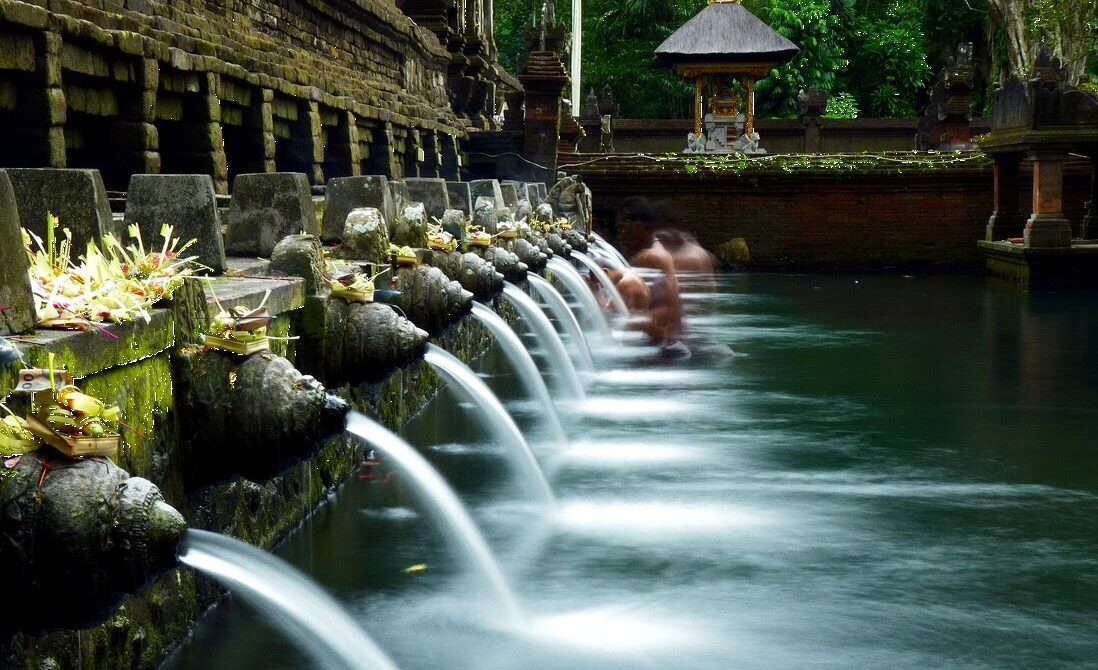
If you’re searching for a complete Tirta Empul Temple Guide, you’re probably wondering whether this famous holy water temple is worth visiting. After driving visitors from around the world for many years, I can confidently say that Tirta Empul is much more than another tourist attraction. It is one of Bali’s most respected spiritual places, where local families and visitors come together to experience a centuries-old purification ritual.
As a Bali private driver, I’ve visited Tirta Empul hundreds of times. Every visit feels slightly different because each guest experiences the temple in their own way. Some come for photography, others for culture, while many simply want a peaceful moment away from busy tourist areas.
If you visit with respect and a little local knowledge, Tirta Empul can easily become one of the highlights of your Bali holiday.
My Personal Experience as a Bali Driver
Whenever guests ask me which temple offers the most authentic cultural experience, Tirta Empul is always near the top of my list.
The temple sits in the village of Manukaya, around 30 minutes north of Ubud. Many people only know about the famous purification pools, but the entire temple complex has a calm atmosphere that encourages visitors to slow down.
One lesson I’ve learned over the years is that timing changes everything. During peak hours, the purification pools can become crowded. When we arrive early in the morning, the air is cool, birds are singing, and local worshippers often begin their ceremonies before large tour groups arrive.
As a local driver, I also enjoy explaining the meaning behind what guests are seeing. Understanding the spiritual importance of the holy spring often makes the experience much more meaningful than simply taking photos.
A Real Guest Story on Tirta Empul Temple Guide
One morning I picked up a couple from France staying in Ubud. They had planned to visit several attractions in one day but weren’t sure whether Tirta Empul would be worth the stop.
We arrived just after the temple opened. Instead of rushing into the purification pools, I suggested walking quietly through the temple first to observe local ceremonies.
The husband was mainly interested in photography, while his wife wanted to experience Balinese culture. They decided to join the purification ritual after renting traditional sarongs and receiving simple guidance about local etiquette.
Afterward, we sat outside the temple enjoying fresh young coconut from a nearby local stall.
The wife told me that although they had visited many famous temples around Asia, Tirta Empul felt different because it was still very much a living place of worship rather than simply a tourist destination.
Instead of ending the trip there, I suggested visiting a small coffee plantation and a peaceful rice terrace nearby that most large tour buses skip. They later told me those quiet local places became their favorite memories of the entire day.
Moments like these remind me that sometimes the best Bali experiences happen between the famous attractions.
Local Recommendations and Insider Tips
Many travel blogs recommend combining Tirta Empul with Ubud day tour, but locals usually plan a slower route that avoids unnecessary driving.
One enjoyable itinerary includes:
- Tirta Empul Temple
- Traditional coffee plantation
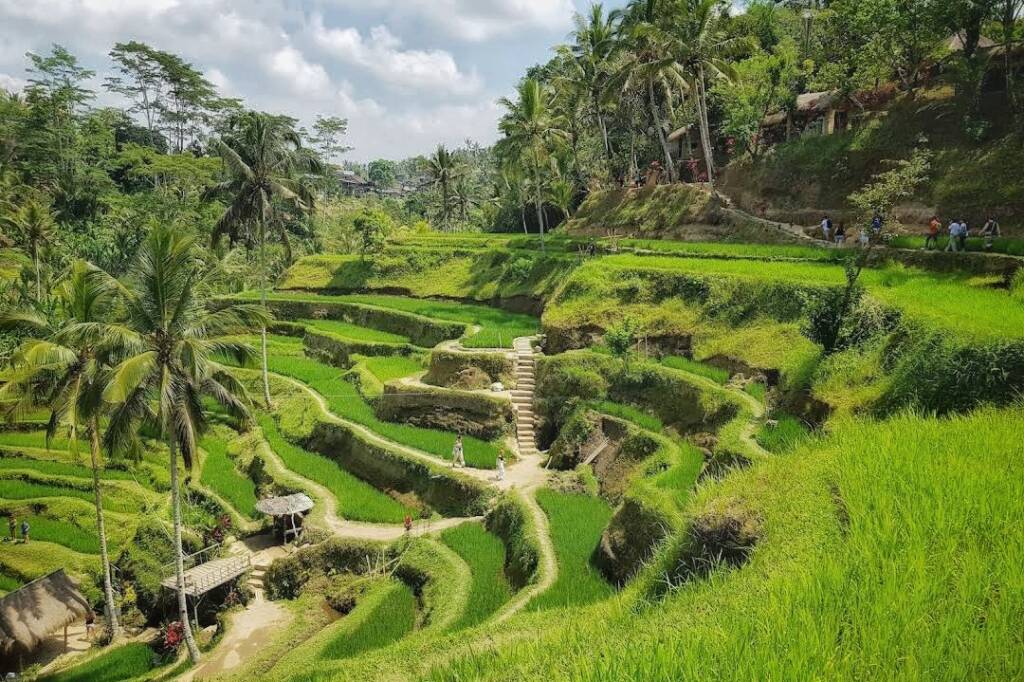
- Tegallalang Rice Terrace
- Hidden village roads through Tampaksiring
- Lunch at a local warung overlooking rice fields
Instead of eating directly outside the temple entrance, I usually recommend driving just ten minutes away. Small family-owned restaurants offer fresher food, quieter surroundings, and beautiful countryside views.
If you enjoy photography, walk around the temple gardens after visiting the purification pools. Most visitors leave immediately, but the peaceful courtyards often provide the most beautiful photos.
Another hidden tip is to look beyond the main temple itself. The surrounding villages are filled with traditional homes, bamboo groves, and scenic roads that many tourists never see.
Helpful Travel Advice
The best guide time to visit Tirta Empul Temple is early morning between 8:00 and 9:30 AM. You’ll enjoy cooler weather, softer lighting, and fewer crowds.
Wear clothing that covers your shoulders and knees. Sarongs are available at the entrance, but dressing respectfully before arriving is always appreciated.
If you plan to join the purification ritual, follow the instructions provided by temple staff. Some fountains are reserved for specific religious purposes and should not be used by visitors.
Bring:
- A towel
- A change of clothes
- Sandals with good grip
- Drinking water
- Cash for small purchases
During Bali’s rainy season, pathways may become slippery, so comfortable footwear is helpful.
Hiring a local Bali private driver also makes the day more relaxed because parking, traffic, and route planning are taken care of. Many visitors combine Tirta Empul with waterfalls, rice terraces, or nearby cultural villages to create a full-day experience.
At Nagiku Bali, we often help guests customize flexible day trips instead of following fixed schedules. Every traveler has different interests, and a personalized itinerary usually creates a much better experience.
Frequently Asked Questions for Tirta Empul Temple Guide
1. Is Tirta Empul Temple worth visiting?
Yes, Tirta Empul Temple is worth visiting if you want to experience one of Bali’s most important cultural and spiritual sites. The temple is famous for its sacred spring water, beautiful traditional architecture, and peaceful atmosphere. As a Bali private driver, I’ve found that many travelers leave with a deeper appreciation of Balinese Hindu culture than they expected.
2. Can tourists join the purification ritual at Tirta Empul Temple?
Yes, tourists can join the purification ritual at Tirta Empul Temple as long as they follow the temple’s rules and respect local customs. Visitors should wear the required sarong and follow guidance from temple staff. If you are unsure about the process, asking politely before entering the holy water is always appreciated by the local community.
3. What is the best time to visit Tirta Empul Temple?
The best time to visit Tirta Empul Temple is early in the morning when the weather is cooler and the temple is generally quieter. From my experience driving guests around Bali, arriving shortly after opening provides a more peaceful visit and better opportunities to appreciate the temple without large crowds.
4. How much time should I spend at Tirta Empul Temple?
Most visitors should allow between one and two hours at Tirta Empul Temple. This gives enough time to explore the temple grounds, observe traditional ceremonies if they are taking place, and participate in the purification ritual if you choose. Many travelers regret rushing through the experience because there is much more to see than the famous water fountains.
5. What should I wear when visiting Tirta Empul Temple?
Visitors should wear modest clothing that covers their shoulders and knees when visiting Tirta Empul Temple. A sarong is required and is usually provided at the entrance according to temple regulations. Comfortable sandals are also recommended because some walkways can become wet around the holy spring area.
6. What should I bring if I want to join the water purification ritual?
If you plan to join the purification ritual, bring a change of clothes, a towel, and a waterproof bag for your belongings. The holy spring water can leave your clothes completely soaked. As a Bali private driver, I always remind guests to prepare these simple items so they can continue their day comfortably after the visit.
7. Are there any cultural rules visitors should know before entering Tirta Empul Temple?
Yes, respecting Balinese Hindu traditions is an important part of visiting Tirta Empul Temple. Speak quietly, avoid climbing on temple structures, and never interrupt people who are praying. One common mistake visitors make is focusing only on taking photos instead of recognizing that this remains an active place of worship for the local community.
8. What other attractions can I visit near Tirta Empul Temple?
Several popular attractions are located near Tirta Empul Temple, making it easy to plan a full-day trip. Many travelers combine their visit with Tegallalang Rice Terrace, Gunung Kawi Temple, Kintamani Volcano, traditional coffee plantations, or central Ubud. Planning these stops in a logical order helps reduce driving time and allows for a more relaxed day.
9. Is Tirta Empul Temple suitable for families with children?
Yes, Tirta Empul Temple is suitable for families with children who are interested in learning about Balinese culture. Parents should supervise younger children around the water areas and encourage respectful behavior throughout the temple. Many families find that visiting early in the day creates a calmer experience for everyone.
10. Do I need a private driver to visit Tirta Empul Temple?
No, you do not need a private driver to visit Tirta Empul Temple, but many travelers find it more convenient, especially if they plan to explore several nearby attractions in one day. An experienced local driver can also recommend quieter routes, authentic restaurants, and lesser-known stops. If you’re looking for local insight rather than just transportation, services such as Nagiku Bali can make the journey more enjoyable without rushing your itinerary.
Conclusion
Tirta Empul Temple is one of those places that leaves a lasting impression—not because of its popularity, but because of the peaceful atmosphere and deep spiritual traditions that continue today.
After many years of driving visitors across Bali, I’ve learned that the most memorable trips aren’t about checking famous places off a list. They’re about understanding the stories behind them, meeting local people, and allowing time to enjoy moments that can’t be planned.
If you’re exploring Ubud and central Bali, Tirta Empul deserves a place on your itinerary. With thoughtful planning and guidance from an experienced local driver like Nagiku Bali, your visit can become much more than a sightseeing stop, it can be one of the most meaningful experiences of your Bali journey