If you only know Ubud from travel photos, it is easy to imagine a peaceful town surrounded by rice fields, temples and jungle. That picture is not completely wrong, but it only shows one part of the place.
After spending a lot of time driving around Ubud, I have learned that the real character of the town appears between the famous attractions. It is in the early morning streets, the sound of scooters, a ceremony that briefly stops traffic, a small village road, a rainy afternoon and the quiet moments after most visitors have gone back to their hotels.
What is Ubud like in everyday life?
Ubud is a busy, green and constantly changing town where tourism exists alongside everyday Balinese life. You can find excellent restaurants, cafés, hotels and popular attractions, but you can also see family compounds, local markets, rice fields, temples, ceremonies and ordinary village life within a relatively short drive.
The most realistic way to experience Ubud is to expect both sides. It can be peaceful in the morning and busy by midday, quiet in a village and crowded a few minutes later, or sunny at breakfast and rainy by afternoon.
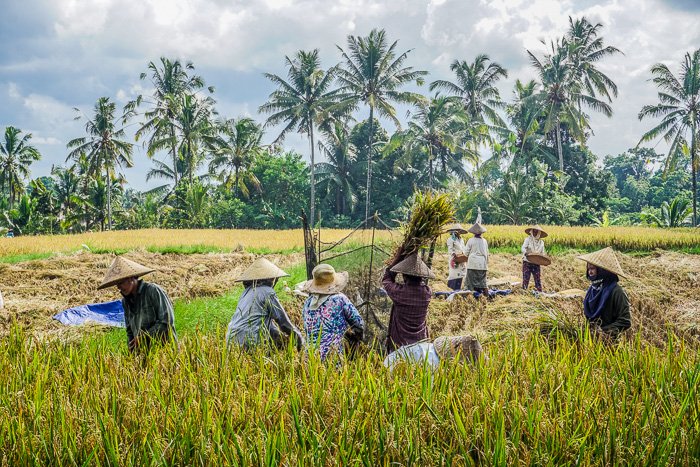
Tegallalang Rice Terrace — iconic green rice terraces in Ubud, Bali, where traditional farming meets beautiful countryside views.
Ubud in the Early Morning?
One of my favorite times to drive around Ubud is early in the morning. Before the main roads become busy, the town feels cooler and slower. Small shops are opening, residents are beginning their routines, and people are often cleaning the area around their homes before the day gets busy.
On quieter roads near rice fields, you may hear roosters, birds and scooters rather than the constant sound of traffic. This is also when the countryside around Ubud can feel most peaceful, especially before day-trippers begin moving between the major attractions.
For visitors staying in Ubud, I often think an early start gives a more realistic experience of the area. You do not have to visit a famous attraction at sunrise every morning. Sometimes simply walking through a village street or having breakfast while the neighborhood wakes up tells you more about everyday Ubud.
A simple rhythm of an Ubud day
| Time | What you may notice | Typical atmosphere |
|---|---|---|
| 5:30–7:30 AM | Local activity, offerings, village streets, cooler air | Quiet and relaxed |
| 8:00–10:30 AM | Breakfast, tours beginning, scooters and cars increasing | Calm to moderately busy |
| 11:00 AM–2:00 PM | Restaurants, attractions and central roads become active | Busy in popular areas |
| 2:00–5:00 PM | Traffic, cafés, changing weather and occasional rain | Busy and sometimes unpredictable |
| 6:00 PM onward | Dinner, cafés, evening activities and cultural performances | Lively in central Ubud |
The Streets Show the Real Side of Ubud
Central Ubud is not a village frozen in time. There are hotels, restaurants, cafés, galleries, shops, scooters, delivery vehicles and tour cars sharing the same streets with local residents.
That mixture can surprise first-time visitors. A road that looks very short on a map can take much longer by car when traffic increases, particularly around popular areas and during busy parts of the day. As a local Ubud driver, I have learned that knowing Ubud is not only about knowing the roads. It is also about knowing when a particular road is likely to become slow.
This is one reason an Ubud private driver can sometimes be useful for travelers who want to combine several areas in one day. The value is not simply transportation. It is understanding how much time to allow between places and when walking may actually make more sense.
Ubud Ceremonies Are Part of Everyday Life
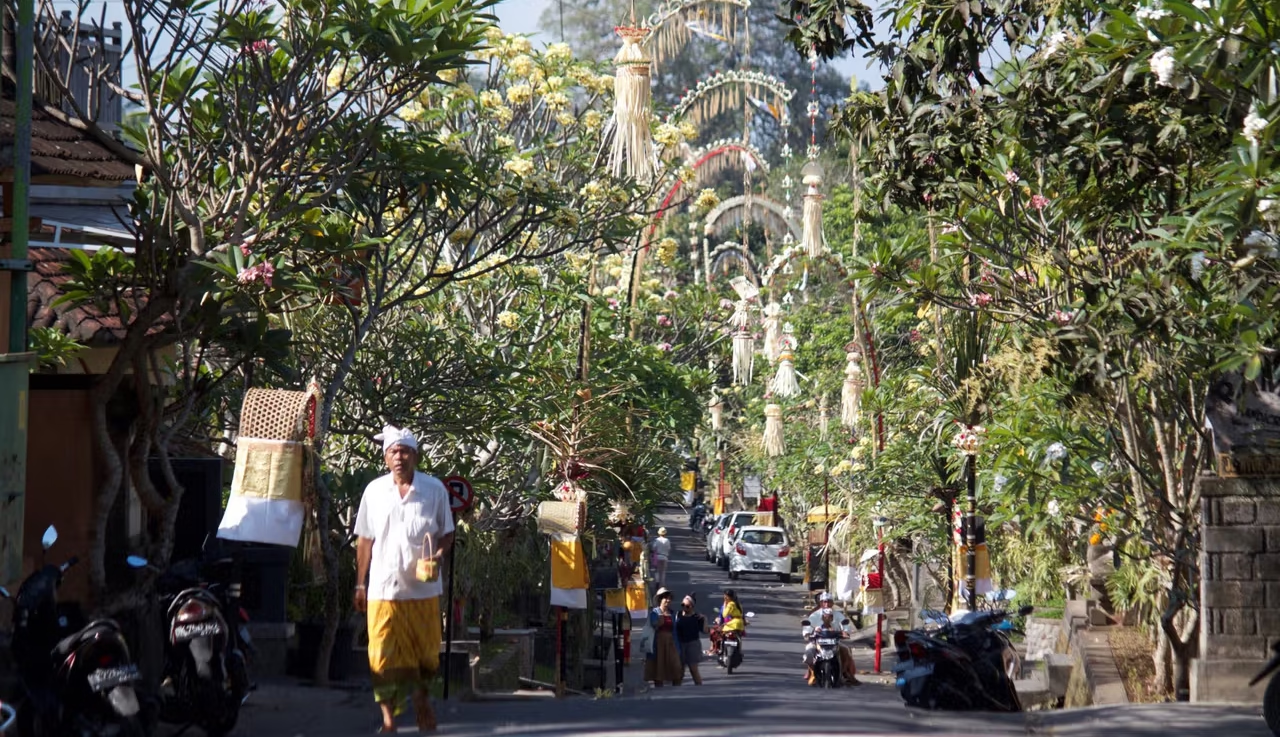
One thing I hope visitors understand is that Balinese ceremonies are not performances arranged for tourists. They are part of community life, and sometimes they happen directly along the roads that travelers are using.
You may see people dressed in traditional clothing walking toward a temple, offerings being carried through the street, or a procession causing vehicles to wait for a while. For a visitor, this can feel like an unexpected cultural experience. For local residents, it is simply part of the day.
When this happens while I am driving, I usually treat the delay as part of traveling in Bali. A ceremony may change the timing of a journey, but it also gives visitors a chance to see something that cannot be scheduled like an attraction.
Small daily offerings are another detail worth noticing. You may see canang sari placed outside homes, shops and other spaces. These small offerings are easy to miss when you are moving quickly, but they are part of the visual rhythm of everyday Bali.
For additional cultural background, the official Indonesia Travel website also describes Ubud as a place where cultural traditions, rice fields and modern tourism exist together.
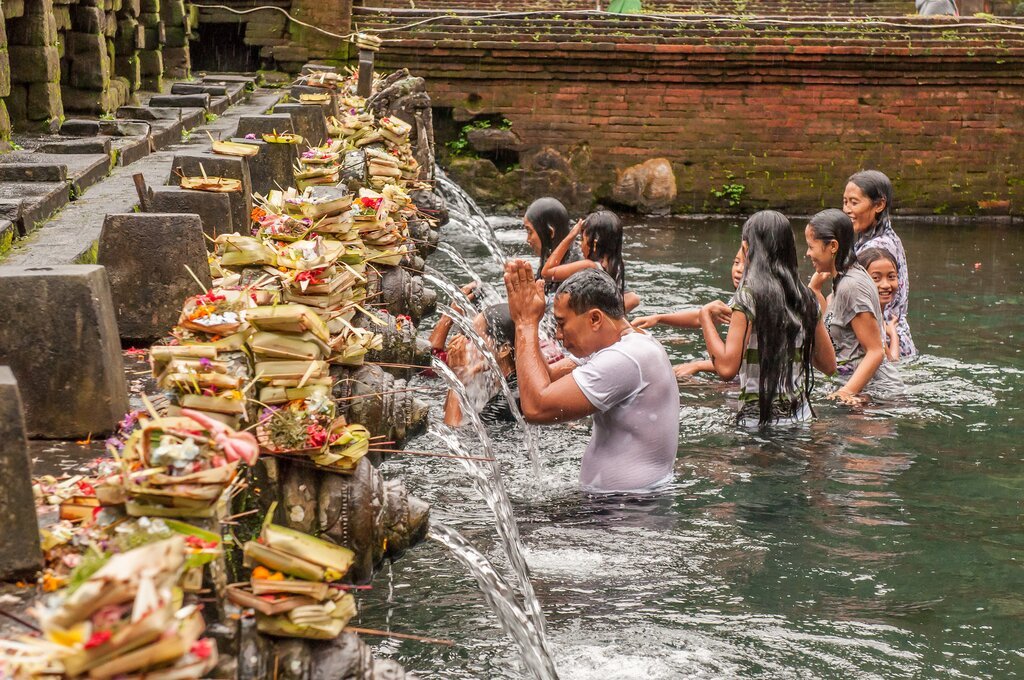
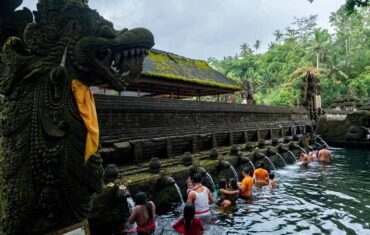
Purification Ceremony — a traditional Balinese ritual using holy water, performed as part of spiritual cleansing and purification.
Rice Fields Are Part of Ubud, But Not All of Ubud
Rice fields are one of the strongest images associated with Ubud, and they really are an important part of the landscape. However, Ubud is not one enormous rice field surrounding a small village.
The town has grown, and agricultural areas now sit alongside villas, restaurants, homes, roads and tourist businesses. You can drive through a busy street and, not far away, suddenly find yourself beside rice paddies and a much quieter village road.
That contrast is something I notice regularly while working. Some rice-field areas are developed around cafés, walking paths and tourist activities, while others remain much more closely connected to local farming communities.
If your goal is to understand the landscape rather than simply take a famous photograph, I would leave some time for a slower walk. You may remember a simple path through the fields more than another crowded viewpoint.
Ubud When Traffic Builds?
Traffic is one of the less romantic parts of the Ubud experience, but travelers should know about it before planning their days. Central roads can become busy, and a journey that looks short on a map may take considerably longer during popular hours.
The traffic is not only caused by tourists. Local residents, scooters, delivery vehicles, private cars and tour vehicles all use the same roads. Ceremonies, road conditions, parking and rain can also affect how quickly a journey moves.
As a Bali tour driver, I sometimes prefer adjusting the order of an itinerary rather than trying to force every stop into the original plan. A flexible schedule usually feels better than spending too much of the day watching the clock.
| Situation | What travelers can realistically expect | Useful approach |
|---|---|---|
| Central Ubud midday | More pedestrians, scooters and cars | Allow extra travel time |
| Temple ceremony | Temporary road delays or changes | Be flexible with the itinerary |
| Rainy afternoon | Slower roads and changing outdoor plans | Keep an indoor option available |
| Rice-field areas | Quieter roads but sometimes limited vehicle access | Walk when appropriate |
| Village roads | Narrow streets and normal local activity | Drive slowly and respectfully |
Markets Have Two Different Personalities
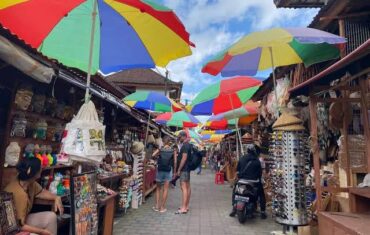
Ubud’s markets are naturally interesting to visitors because they offer souvenirs, crafts, clothing and other products. However, markets also connect with everyday local life, especially earlier in the morning.
I sometimes pass through market areas while working and notice how quickly the atmosphere changes. Early in the day, there can be more local shopping and preparation. Later, the same streets may feel much more focused on visitors.
Neither version is fake. They are simply different layers of the same town, and seeing both helps explain why Ubud feels more like a living community than a traditional tourist attraction.
Ubud Villages Feel Different From the Center
One of the easiest ways to experience a quieter side of Ubud is to spend some time outside the busiest central streets. You do not necessarily have to travel far. Areas around the wider Ubud region can quickly become greener and more residential.
On village roads, you may see family compounds, small temples, local warungs, workshops, children going to school, dogs resting near houses and people preparing offerings. At the same time, newer villas, cafés and guesthouses are becoming part of the same landscape.
This mixture is very normal around Ubud. Tourism is important to the local economy, but everyday community life continues alongside it.
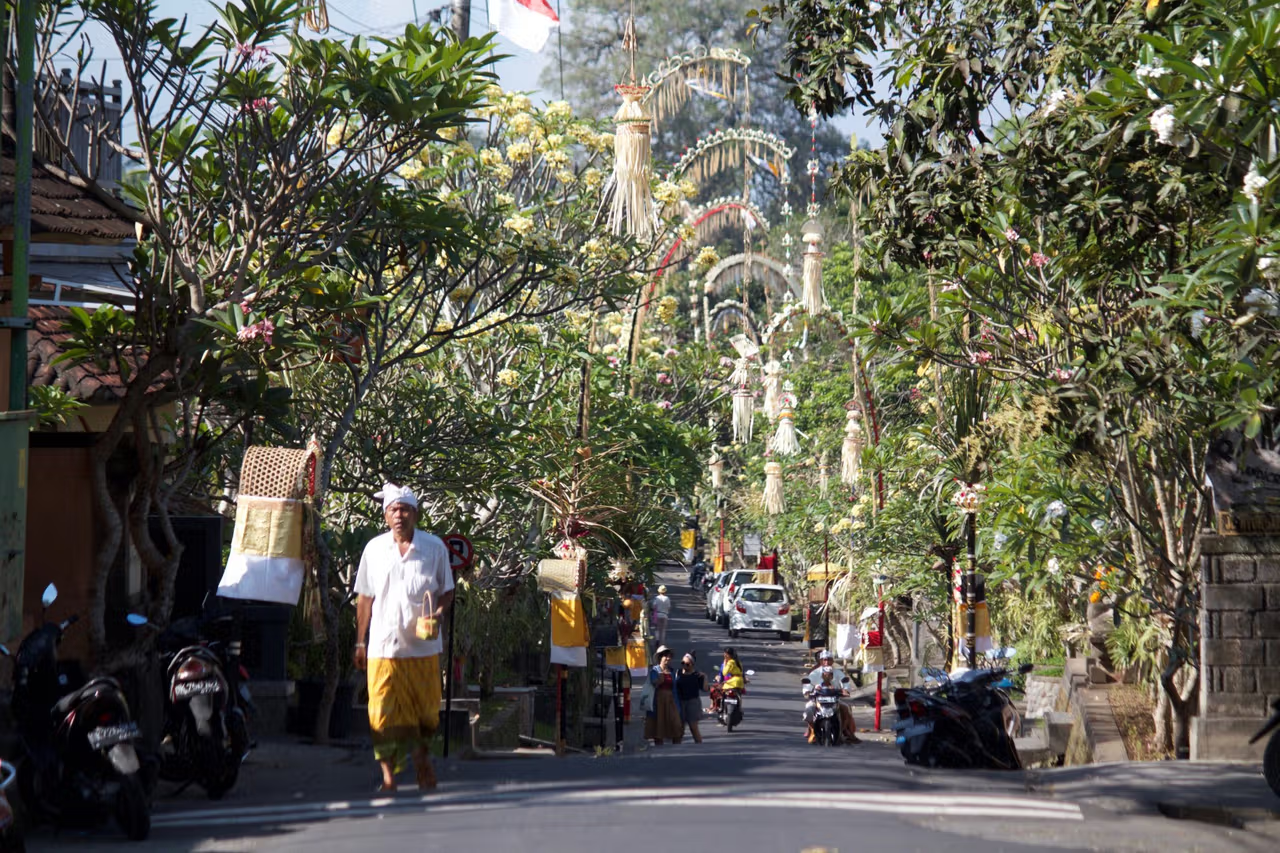
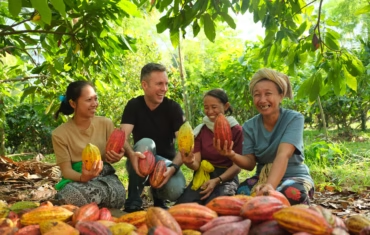
Villages in Ubud — peaceful local communities where traditional Balinese life, family compounds, temples, rice fields, and everyday village activities continue alongside tourism.
Restaurants Are Now Part of Modern Ubud
Food is another good example of how Ubud has changed. You can have a simple Indonesian meal at a local warung, then find a modern café, vegetarian restaurant or international dining room only a few minutes away.
For travelers, this means Ubud can suit very different styles of holiday. You might spend the morning walking through rice fields, have lunch at a simple local restaurant and finish the day at a more sophisticated dining spot.
As someone who drives visitors around the area, I see this combination often. Traditional buildings, family compounds and temples can exist surprisingly close to modern cafés and restaurants.
Tourists Are Part of Ubud Too
It would be misleading to describe Ubud as a secret or untouched village. It is one of Bali’s best-known destinations, and the central areas can become genuinely busy.
Popular attractions naturally attract visitors, especially during busy travel periods. However, the tourist side is only one layer of the town. You can spend an hour among other travelers and then drive a short distance into a quieter village where the atmosphere feels completely different.
That contrast is one of the reasons I would not judge Ubud only from its busiest streets.
Rain Can Change the Mood Completely
Rain is another part of real life in Ubud. A sunny morning can turn into a wet afternoon, and when the rain arrives, outdoor plans sometimes need to slow down.
The interesting thing is that Ubud does not suddenly stop when it rains. People put on rain jackets, scooters continue moving, restaurants become busier and local life carries on. The rice fields can even look greener and more dramatic after a shower.
For travelers, the best approach is to avoid making every hour dependent on perfect weather. If rain arrives, lunch, coffee, a museum, a spa or simply waiting for the shower to pass can be a better option than trying to rush through an outdoor itinerary.
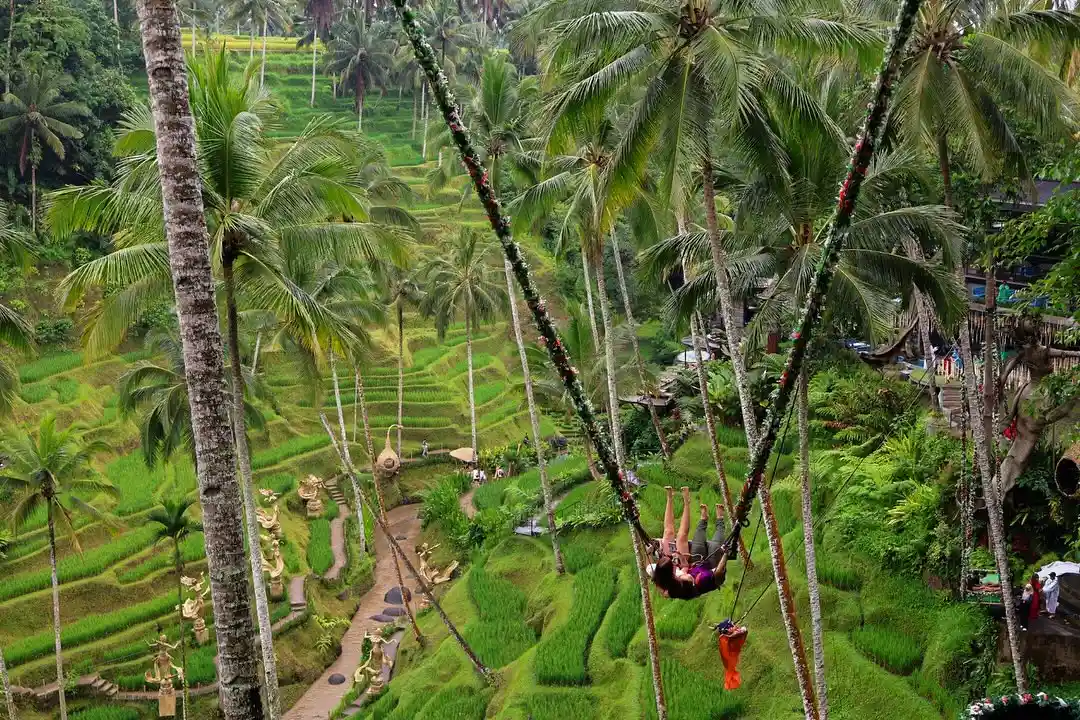
Tegallalang Swing After the Rain — fresh green views, cool air, and a peaceful atmosphere after a tropical shower in Ubud.
What Is Ubud Like Beyond Central Ubud?
If you want to see a quieter side of the area, spend some time beyond the busiest streets. Places around Sayan, Penestanan and other surrounding areas can feel more residential and relaxed, although the exact atmosphere depends on the road and time of day.
You may find fewer pedestrians, more greenery and smaller roads. In some areas, rice fields sit directly beside homes and guesthouses, giving you a much better sense of how tourism and local life overlap.
This is also where a local Ubud driver can be useful. Instead of simply visiting another famous attraction, you can use the day to explore a few different environments and understand how quickly Ubud changes as you move away from the center.
A Day in Ubud Can Feel Completely Different by the Hour
If I had to describe Ubud in one day, I would say that the town almost has several personalities. Early morning can be quiet and cool, late morning becomes more active, midday can be busy, and afternoon weather can change the rhythm again.
By evening, central Ubud becomes lively with restaurants, cafés and cultural activities. Meanwhile, some quieter residential areas are already settling down for the night.
| Part of the day | The Ubud experience |
|---|---|
| Early morning | Cool air, local routines, offerings, quiet roads and rice fields. |
| Late morning | Visitors begin moving between hotels, restaurants and attractions. |
| Midday | Central areas can be busy with traffic, pedestrians and tour vehicles. |
| Afternoon | Traffic continues and rain may change outdoor plans. |
| Evening | Restaurants, cafés and central streets become active again. |
| Late evening | Many quieter areas return to a slower residential atmosphere. |
What Should Travelers Realistically Expect?
The simplest answer to what is Ubud like is that it is a mixture. It is peaceful in some places and busy in others. It is traditional and modern at the same time, with tourism woven into a community that continues to live its normal daily life.
You should expect traffic, especially around popular areas. You should also expect beautiful countryside, local ceremonies, restaurants, markets, rice fields and quiet village roads. None of these experiences cancels out the others.
If you are planning your first visit, it can help to think about Ubud as a place to experience rather than a checklist of attractions. Give yourself time to walk, stop for coffee, explore a quieter road and allow the schedule to breathe.
Practical Tips for Experiencing Everyday Ubud
| If you want… | Try this |
|---|---|
| A quieter atmosphere | Go out early or explore areas outside the busiest central streets. |
| Better rice-field views | Walk rather than only visiting a viewpoint by car. |
| Less stress from traffic | Keep some flexibility in your itinerary. |
| More local atmosphere | Spend time in village areas and observe daily life respectfully. |
| A comfortable sightseeing day | Group nearby places together instead of crossing Ubud repeatedly. |
| Better rainy-day planning | Keep restaurants, cafés and indoor activities as backup options. |
Useful Ubud Travel Planning Resources
If you are planning a longer Bali trip, you can also explore our Ubud day tour guide for ideas on combining different parts of the area. Travelers visiting other parts of Bali can also see our guides to North Bali and West Nusa Penida.
These routes are useful starting points, but I would still leave some flexibility in your schedule. Road conditions, weather, ceremonies and how long you actually want to spend at each place can make a real difference to the day.
Frequently Asked Questions About Ubud
Is Ubud quiet or busy?
Ubud can be either. Central Ubud is often busy during the day, while surrounding villages and rice-field areas can feel much quieter, especially early in the morning.
Is Ubud very touristy?
Yes, especially around popular attractions and the central streets. However, tourism exists alongside local neighborhoods, temples, rice fields, markets and everyday community life.
Is Ubud good for experiencing local Balinese life?
Ubud can offer many opportunities to see everyday Balinese life, particularly if you explore beyond the busiest tourist streets. Local markets, village roads, ceremonies and rice-field areas can provide a different perspective.
Does Ubud have traffic?
Yes. Traffic can become noticeable around central Ubud and popular routes. Travel time can change depending on the time of day, ceremonies, weather and road conditions.
What is the best time of day to experience Ubud?
Early morning is often the quietest and coolest part of the day. However, different times offer different experiences, so staying through the morning and afternoon can help you see how the town changes.
Should I stay in central Ubud or outside the center?
Central Ubud is convenient for restaurants, cafés and walking to many attractions. Staying farther out can provide more greenery and a quieter atmosphere, although you may need transportation more often.
See Ubud Beyond the Checklist
The best Ubud experience is not always about visiting more places. Sometimes it is about having enough time to notice the small things between them: a village road, a ceremony, a rice field after rain or a quiet morning before the streets become busy.
If you are planning your route around Ubud, you can use our Ubud day tour guide as a starting point and adjust the day around your own interests and pace.
Written from the perspective of a local Ubud tour driver who regularly travels between the tourist areas and the villages around Ubud.